Salus Mundi Joins the International NEC Registry as a Collaborating Partner
Salus Mundi has joined the International NEC Registry as a collaborating partner — bringing its expertise in epidemiology and data analysis to one of neonatology's most urgent challenges. Necrotizing enterocolitis (NEC) affects 5–10% of very preterm infants with a case fatality rate of 20–30%. Through international collaboration and rigorous analysis, this partnership aims to move from descriptive observation toward a clearer understanding of why NEC occurs.
May 4, 2026
Salus Mundi is proud to announce its new role as a collaborating partner of the International Necrotizing Enterocolitis (NEC) Registry. This collaboration marks an important step forward in our commitment to advancing research and improving outcomes for some of the most vulnerable patients: Premature infants.
What is NEC?
Necrotizing enterocolitis (NEC) is a rare but extremely serious disease that affects mainly premature babies. In simple terms, it is a condition where parts of the intestine become inflamed and can start to die. This can lead to severe complications, including infection, the need for surgery, and, in some cases, death.
Although NEC is uncommon, it has a major impact: it typically affects about 5–10% of very preterm infants, and the Case Fatality Rate ranges between 20% and 30%, with higher mortality in the smallest and most fragile newborns.
Despite decades of research, the exact causes of NEC are still not fully understood. It is likely the result of a complex interaction between several factors, including:
Immaturity of the infant’s gut.
Feeding practices.
Bacterial colonization of the intestine.
Inflammatory responses.
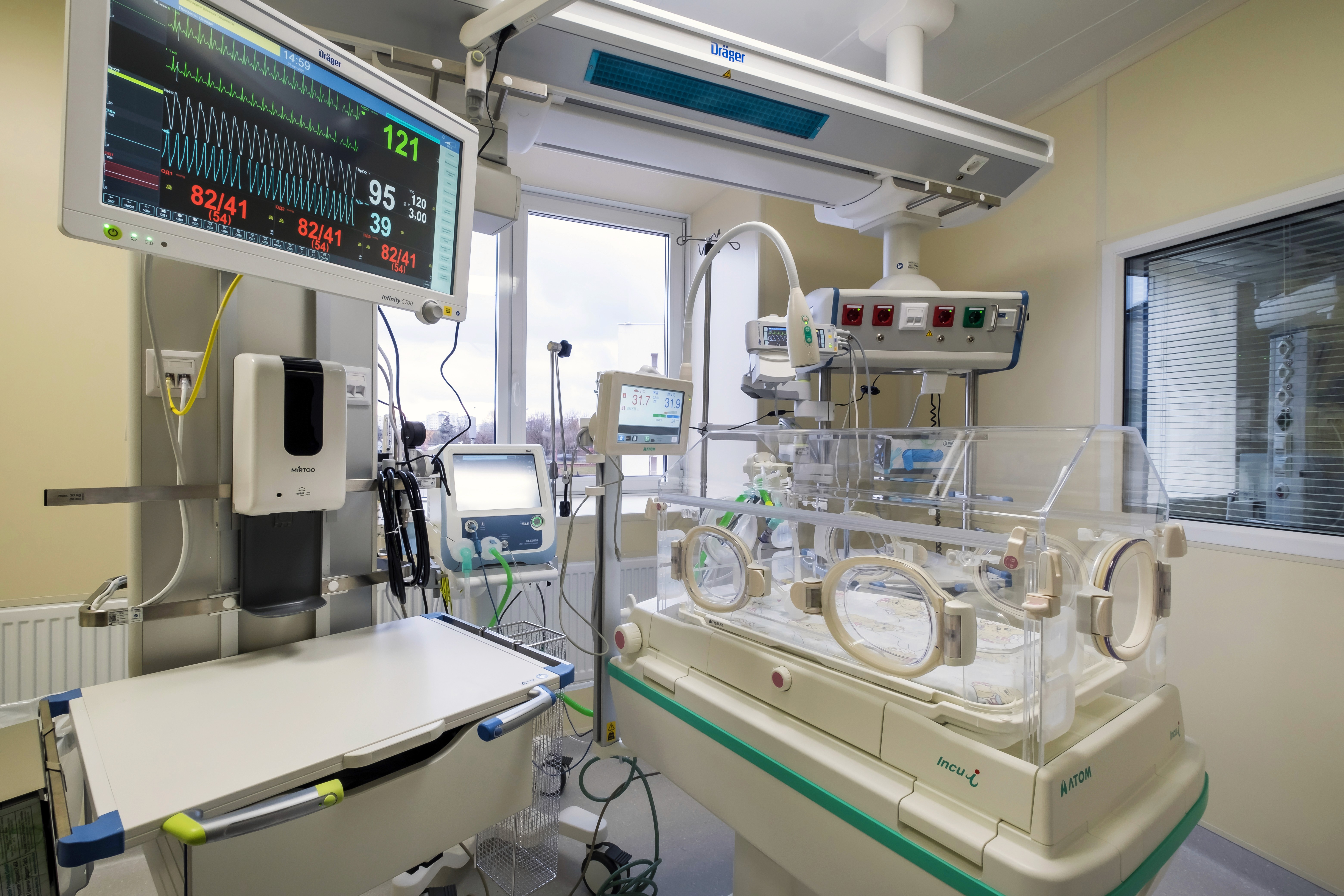
Because NEC develops rapidly and unpredictably, it remains one of the most feared complications in neonatal intensive care units (NICUs).
Why an International Registry Matters
The International NEC Registry brings together data from multiple hospitals and countries to create a large, shared resource for research. This is crucial for a condition like NEC, which is relatively rare in individual centers but devastating in impact.

By pooling data across settings, researchers can:
Identify patterns and trends that are not visible in smaller datasets.
Explore potential risk factors and protective factors.
Better understand differences in clinical practices and outcomes.
Generate robust evidence to guide prevention and treatment strategies.
The Role of Salus Mundi
As a collaborating partner, Salus Mundi will contribute its expertise in epidemiology, data analysis, and global health research.

Our work will focus on:
Advanced data analysis to explore temporal trends, variability between centers, and potential clustering of cases.
Investigation of underlying causes (etiology) by examining clinical, demographic, and contextual factors.
Translating data into actionable insights that can inform clinicians, health systems, and policy-makers.
Our broader goal is to help move from descriptive observations toward a clearer understanding of why NEC occurs — a necessary step for developing effective prevention strategies.
Looking Ahead
This collaboration reflects Salus Mundi’s mission to work at the intersection of research, data, and real-world health challenges. NEC remains a devastating disease, but through international collaboration and rigorous analysis, there is a real opportunity to make meaningful progress.

We are honored to be part of this global effort and look forward to contributing to a deeper understanding of NEC and, ultimately, to improving the lives of newborns and their families.
Learn more about our partner: SwissNeoNet — Swiss Neonatal Network


