Our Story
Salus Mundi is dedicated to advancing public health through rigorous research, the implementation of preventive interventions, programme evaluation, and capacity building. Based in the heart of the Swiss Health Valley—one of the world’s leading ecosystems for biomedical science and innovation—we work across scales, collaborating with partners ranging from individual researchers and local communities to universities, health systems, and international organisations. Through these collaborations, we generate independent evidence that informs policy, strengthens health services, and improves population health. The name Salus Mundi—Latin for “the health of the world”—reflects both our scientific ambition and our belief that improving health requires knowledge that travels across borders. In a world where the need for rigorous, trustworthy research far outstrips the capacity to produce it, we are committed to contributing work that is methodologically sound, scientifically honest, and consequential for the people and policies it serves.
3 Continents
Research delivery across Europe, the MENA region, South Asia, and expanding into Africa
3 Continents
Research delivery across Europe, the MENA region, South Asia, and expanding into Africa
3 Continents
Research delivery across Europe, the MENA region, South Asia, and expanding into Africa
Team members across three regional directorates—Europe, Middle East & Asia, and Africa
* Salus Mundi was constituted in 2026. The founding team brings 30+ years of combined research experience
My Story.
My Story.
My Story.
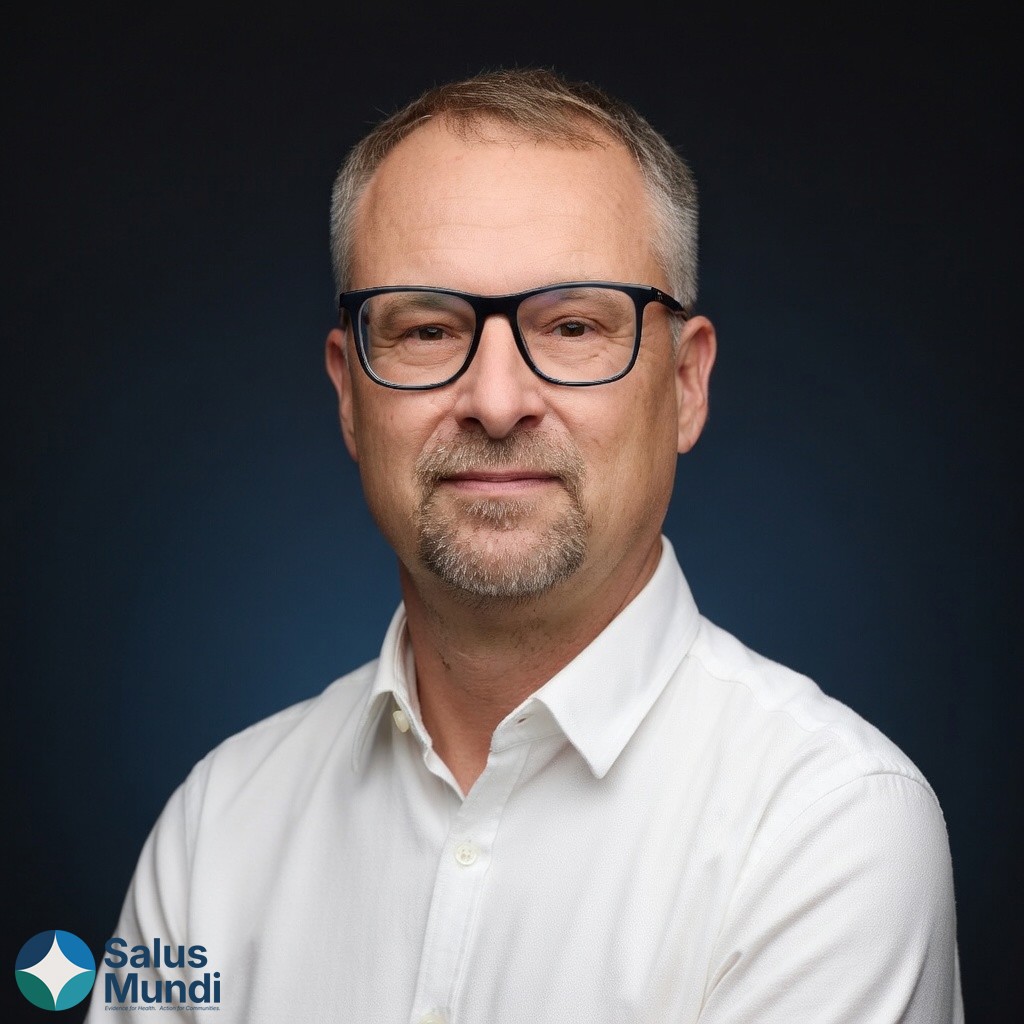
Dr. Andrea Bernasconi
Dr. Andrea Bernasconi
Dr. Andrea Bernasconi
President & Co-Founder, Salus Mundi
President & Co-Founder, Salus Mundi
President & Co-Founder, Salus Mundi
After more than thirty years working in epidemiology, public health, research, and humanitarian settings across five continents and with more than twenty organizations, I came to understand one simple truth: the need for knowledge, prevention, and evidence-based decisions is universal. Access to the expertise that makes them possible is not.
I have seen extraordinary professionals working in hospitals, NGOs, research institutions, and public health systems, often facing complex challenges with limited resources. I have seen important questions remain unanswered, valuable data remain unused, and promising ideas struggle to become reality — not because of a lack of commitment, but because the right expertise was simply out of reach.
And today, in a world under increasing pressure to reduce costs and achieve more with fewer resources, this gap is growing.
Large institutions can build entire departments of epidemiologists, researchers, data scientists, and public health specialists. Most organizations cannot.
But access to expertise should not depend on the size of an institution or the size of its budget.
This belief is at the heart of Salus Mundi.
We created Salus Mundi to bring together knowledge, experience, and people across borders — and to make high-level expertise in epidemiology, research, public health, and data analysis accessible to organizations that need it, wherever they are.
Because good ideas deserve the opportunity to become real projects.
Because data should become knowledge.
Because knowledge should lead to better decisions.
And because better decisions can change lives.
Our ambition is simple: to help build a world where every organization working to improve health has access to the knowledge and expertise it needs to make a difference.
That is our mission.
That is why Salus Mundi exists.
After more than thirty years working in epidemiology, public health, research, and humanitarian settings across five continents and with more than twenty organizations, I came to understand one simple truth: the need for knowledge, prevention, and evidence-based decisions is universal. Access to the expertise that makes them possible is not.
I have seen extraordinary professionals working in hospitals, NGOs, research institutions, and public health systems, often facing complex challenges with limited resources. I have seen important questions remain unanswered, valuable data remain unused, and promising ideas struggle to become reality — not because of a lack of commitment, but because the right expertise was simply out of reach.
And today, in a world under increasing pressure to reduce costs and achieve more with fewer resources, this gap is growing.
Large institutions can build entire departments of epidemiologists, researchers, data scientists, and public health specialists. Most organizations cannot.
But access to expertise should not depend on the size of an institution or the size of its budget.
This belief is at the heart of Salus Mundi.
We created Salus Mundi to bring together knowledge, experience, and people across borders — and to make high-level expertise in epidemiology, research, public health, and data analysis accessible to organizations that need it, wherever they are.
Because good ideas deserve the opportunity to become real projects.
Because data should become knowledge.
Because knowledge should lead to better decisions.
And because better decisions can change lives.
Our ambition is simple: to help build a world where every organization working to improve health has access to the knowledge and expertise it needs to make a difference.
That is our mission.
That is why Salus Mundi exists.
The founding team
The founding team
The founding team
Leadership
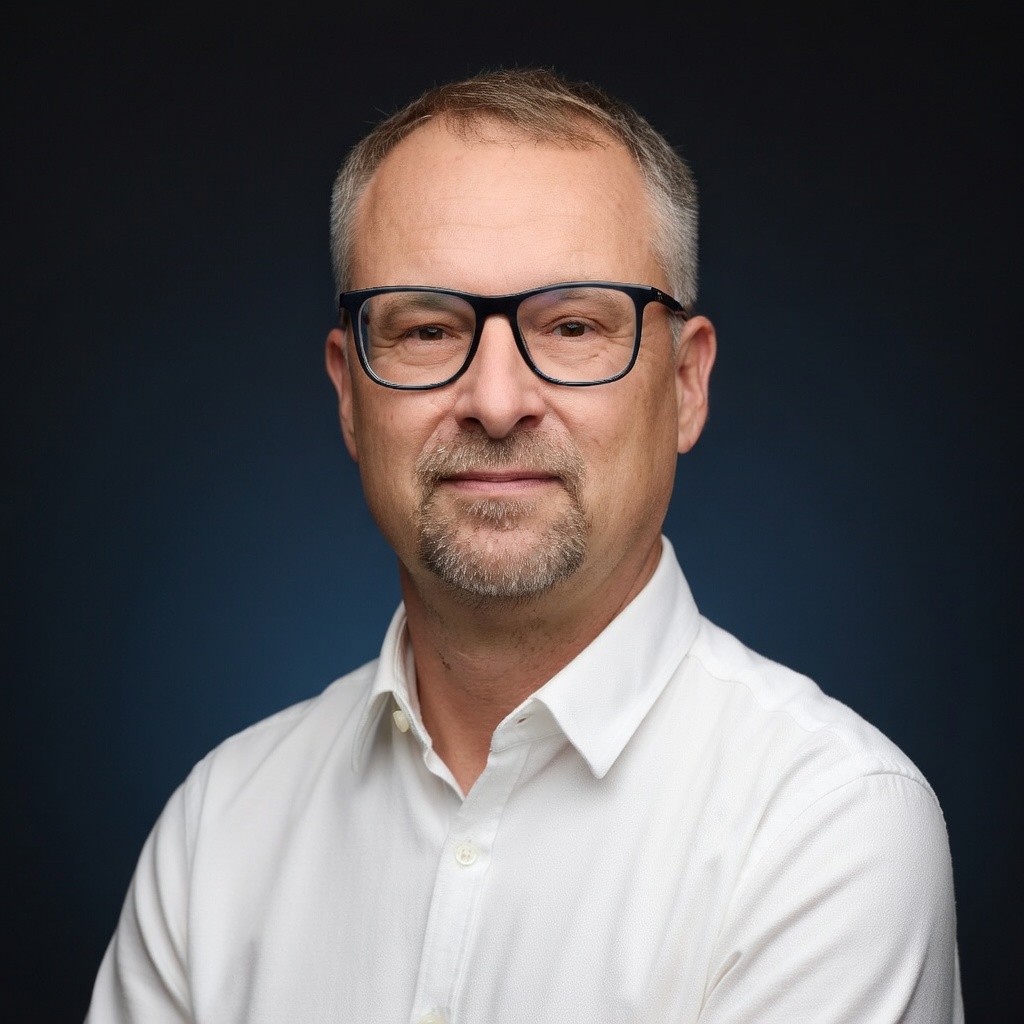
Dr. Andrea Bernasconi
President & Co-Founder
Email:
Dr. Andrea Bernasconi
President & Co-Founder
Email:
Dr. Andrea Bernasconi
President & Co-Founder
Email:
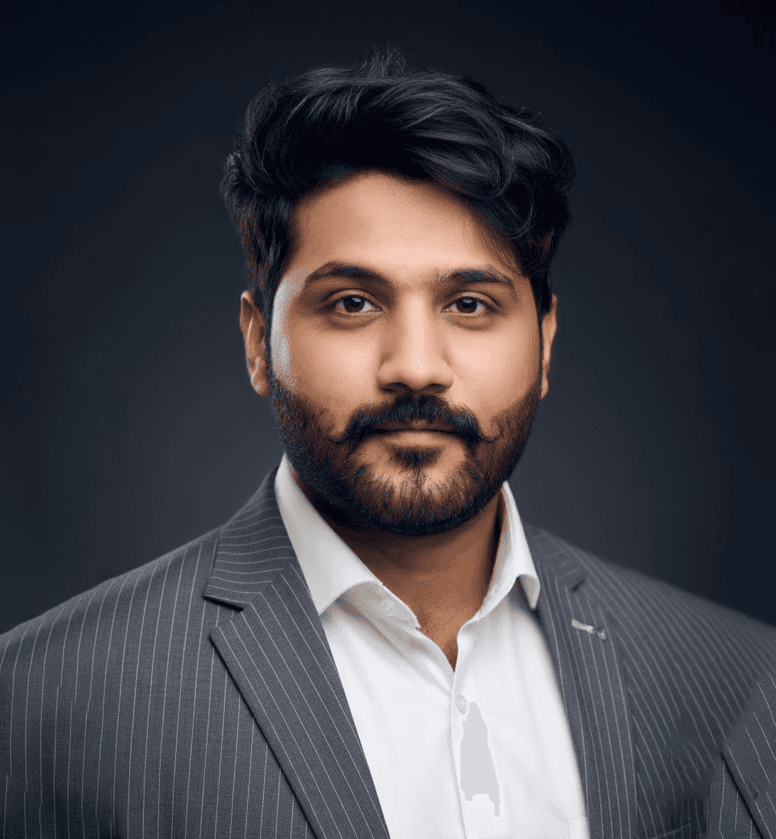
Dr. Shakir Raza Maken
Vice President & Co-Founder
Email:
Dr. Shakir Raza Maken
Vice President & Co-Founder
Email:
Dr. Shakir Raza Maken
Vice President & Co-Founder
Email:
Operational And Regional Directors
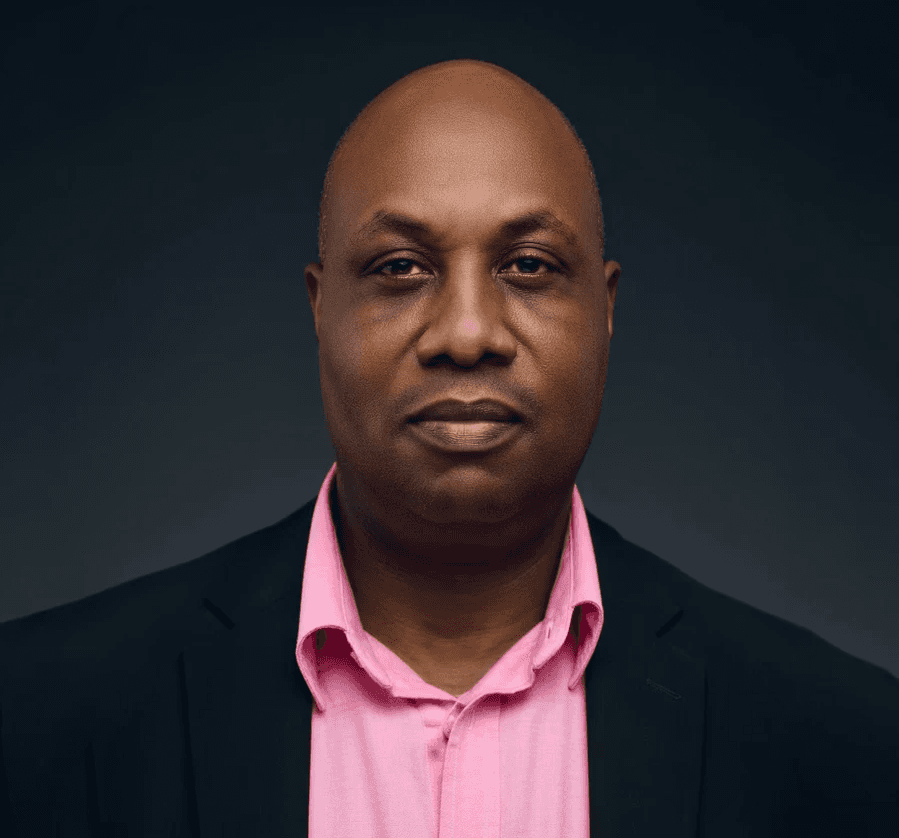
Dr. Clarence Yah
Director of Operations – Anglophone Africa
Email:
Dr. Clarence Yah
Director of Operations – Anglophone Africa
Email:
Dr. Clarence Yah
Director of Operations – Anglophone Africa
Email:

Taimoor Raza Maken
Secretary-Treasurer & Director of Design
Email:
Taimoor Raza Maken
Secretary-Treasurer & Director of Design
Email:
Taimoor Raza Maken
Secretary-Treasurer & Director of Design
Email:
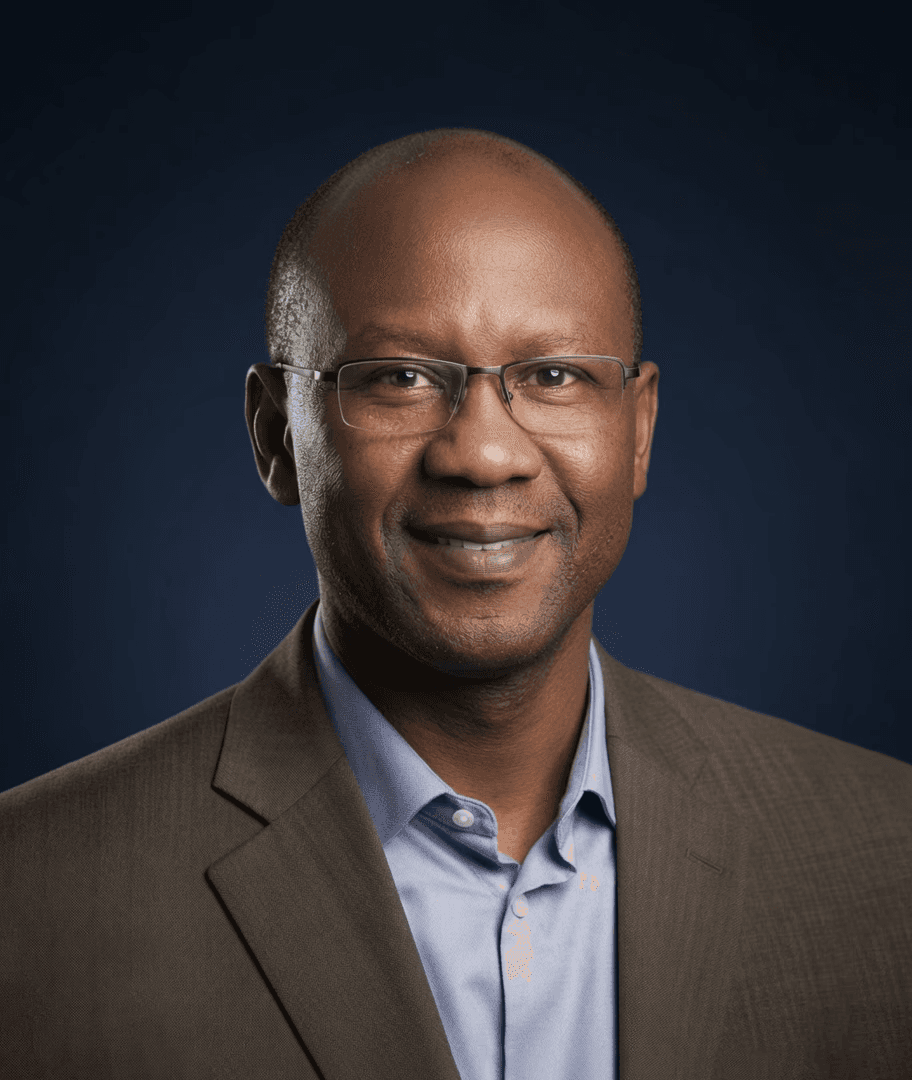
Ousmane SY
Director of Operations – Francophone Africa
Email:

Ousmane SY
Director of Operations – Francophone Africa
Email:

Ousmane SY
Director of Operations – Francophone Africa
Email:
How we engage
How we engage
How we engage
01
Discovery and Scoping
Every collaboration begins with a structured conversation to understand the research question, decision context, timeline, and required standard. This is followed by a detailed proposal covering scope, methodology, expected outputs, and terms of engagement. Proposals are provided within 10 business days.
01
Discovery and Scoping
Every collaboration begins with a structured conversation to understand the research question, decision context, timeline, and required standard. This is followed by a detailed proposal covering scope, methodology, expected outputs, and terms of engagement. Proposals are provided within 10 business days.
01
Discovery and Scoping
Every collaboration begins with a structured conversation to understand the research question, decision context, timeline, and required standard. This is followed by a detailed proposal covering scope, methodology, expected outputs, and terms of engagement. Proposals are provided within 10 business days.
02
Structured Project Governance
Each project is conducted under documented governance: defined responsibilities, milestone-based progress reviews, confidentiality safeguards, and quality review at each critical stage. A designated lead remains directly accessible. Communication follows an agreed schedule. No ambiguity about responsibilities or progress.
02
Structured Project Governance
Each project is conducted under documented governance: defined responsibilities, milestone-based progress reviews, confidentiality safeguards, and quality review at each critical stage. A designated lead remains directly accessible. Communication follows an agreed schedule. No ambiguity about responsibilities or progress.
02
Structured Project Governance
Each project is conducted under documented governance: defined responsibilities, milestone-based progress reviews, confidentiality safeguards, and quality review at each critical stage. A designated lead remains directly accessible. Communication follows an agreed schedule. No ambiguity about responsibilities or progress.
03
Defined, Reviewable Output
Every collaboration concludes with a concrete output agreed in advance: an evaluation report, evidence synthesis, systematic review, manuscript, analysis, or training outcome—completed to a standard that can be reviewed by institutional leadership, funding agencies, journal editors, or academic committees.
03
Defined, Reviewable Output
Every collaboration concludes with a concrete output agreed in advance: an evaluation report, evidence synthesis, systematic review, manuscript, analysis, or training outcome—completed to a standard that can be reviewed by institutional leadership, funding agencies, journal editors, or academic committees.
03
Defined, Reviewable Output
Every collaboration concludes with a concrete output agreed in advance: an evaluation report, evidence synthesis, systematic review, manuscript, analysis, or training outcome—completed to a standard that can be reviewed by institutional leadership, funding agencies, journal editors, or academic committees.

